If your roof were a character in a novel, it would be the stoic guardian who never complains until the day it finally does, loudly, during the heaviest rain of the year. By then, you’re Googling emergency tarps at 2 a.m., bargaining with the clouds, and texting every Roofing Company that pops up in your search results. There’s a better way. You can work with Roofing Installers deliberately, not desperately, and come away with a watertight roof and a little confidence left in the bank.
I’ve walked homeowners through projects from tidy ranches to eccentric Victorians with eyebrow dormers and delicate copper valleys. Patterns emerge. A good Roofing Installation feels planned and uneventful. A bad one feels like a road trip where no one checked the gas. This guide leans on hard-won lessons from job sites and kitchen tables to help you choose wisely, prep your home, and navigate the work without losing sleep.
What a Good Roofing Installer Actually Does
Most people imagine shingles, ladders, and a lot of hammering. That’s the tip of a fairly involved craft. The best Roofing Installers read a house like a topographic map. They trace water paths, study eaves for ice dam scars, and note how a south-facing slope bakes while the north slope gathers moss. They check attic ventilation and insulation balance because shingles age faster when the underside cooks. They measure, sure, but they also diagnose.
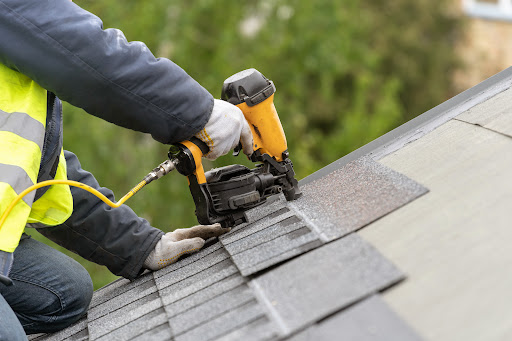
A thorough Roofing Installation starts before a single bundle arrives. It includes checking deck integrity, mapping penetration points for plumbing stacks and skylights, selecting underlayments that fit your climate, and planning crew logistics so your flowerbeds aren’t flattened under a landslide of torn-off shingles. Think choreography, not just demolition and rebuild.
Estimate Anatomy, Decoded
Estimates vary, but good ones share DNA. You should see the specific roofing system recommended, not just “shingles.” That means brand, line, wind rating, and color, plus the underlayment type, ice and water shield coverage zones, starter strip, ridge cap, and flashing details. Look for the square count with waste factor spelled out. Most homes run 8 to 15 percent waste, higher on cut-up roofs with hips, valleys, and plenty of dormers.
Under the surface details matter more than the finish layer. Synthetic underlayments resist tearing and dry faster than felt. Ice and water shield should cover eaves at least 24 inches inside the heated wall line in snow country, and also valleys and areas behind chimneys. If a Roofing Company writes “as needed” next to deck repairs or flashing, ask for thresholds. A clearer phrase would be “replace up to ten sheets of 7/16 OSB at X per sheet, homeowner approval required above that.” Clarity protects both of you.
Labor sections should specify tear-off and disposal. A layover saves money short term but traps heat and hides rot. If your existing roof is two layers or older than 20 years, tear it off. The estimate should state whether gutters will be removed, protected, or replaced. It should spell out property protection measures: plywood paths for landscaping, magnet sweeps for nails, and staging areas for materials.
Finally, warranties come in two flavors and they’re not interchangeable. Manufacturer warranties cover product defects and often tier up to “system” coverage only if you use matching components and certified Roofing Installers. Workmanship warranties cover the installation itself and are only as reliable as the company’s health. A five to ten year workmanship warranty is common for asphalt shingles, longer for metal or high-end systems. Read what voids the coverage. Improper ventilation can torpedo both warranties faster than any nail gun.
Vetting Roofing Companies Without Becoming a Detective
A polished website and a truck wrap look nice. They do not keep water out of your living room. Reputation travels differently in the roofing world than in, say, fine dining. Ask Check out the post right here how long the crew lead has been with the company, not just how long the company has existed. Crews do the work. A ten-year-old company that burns through teams every season will produce a choppy result.
Call references and ask what went wrong. Something always does. You want to hear how the Roofing Company responded. A flashing detail missed on day one, fixed on day two without drama, is a good sign. If you can, visit a job in progress. Look for tidy staging, tarps in the right places, and foreman visibility. A foreman who knows the homeowner’s name usually knows the roof.
Insurance and licensing aren’t paperwork formalities. Ask for a certificate of insurance sent directly from the carrier, not a printout from a binder, and check both general liability and workers’ compensation. Confirm the policy limits match the scope of your home. If you have a 900-square-foot bungalow, standard coverage is fine. If you have a 7,000-square-foot home with slate walkways and specialty copper gutters, make sure the numbers rise to the occasion.
Pricing tells a story, but you need to translate. The lowest bid may be skipping ice and water shield or using three-tab shingles dressed up as architectural. The highest bid might include features you do not need in your climate, like full-peel underlayment everywhere in a moderate region where breathable synthetics work better. If three estimates cluster within 10 to 15 percent and a fourth is way out of line, ask why. Sometimes the outlier is the only one who spotted sheathing delamination or a need for ventilation upgrades. Sometimes it’s just padding.
Material Choices and Climate Honesty
Every homeowner falls for a look first, performance second. There is nothing wrong with wanting a slate-gray dimensional shingle that makes your Cape Cod look crisp. But material is not just aesthetic. It is heat gain, hail resistance, maintenance, and lifespan times your microclimate.
Asphalt architectural shingles remain the workhorse for a reason. Installed correctly, they last 18 to 30 years depending on UV exposure and temperature swings. In hail-prone regions, impact-rated shingles can shave a few points off insurance premiums and prevent the pockmarked look after a summer storm. In humid regions with tree cover, algae-resistant shingles keep the streaks at bay for many years.
Metal costs more upfront, often two to three times asphalt, but can last 40 to 70 years with minimal maintenance. It sheds snow cleanly and laughs at most wind events. Standing seam pairs best with well-detailed snow guards in heavy-snow zones, otherwise your gutters will learn the meaning of fear in March. Exposed fastener systems work on outbuildings and cabins if you accept periodic screw re-torquing and sealing.
Tile and slate are joys to behold and beasts to engineer. A true slate roof installed by slate-experienced Roofing Installers can pass a century mark, but you must reinforce structure and budget for skilled maintenance. Concrete tile weighs less than clay or slate but still requires careful loading and deck checks. If a bid for tile looks too good to be true, it may be assuming your framing can carry it without verification. Do not guess. Ask for load calcs or an engineer’s note.
Synthetic shakes and slate have matured. Quality versions carry respectable fire ratings and drop weight compared to the real thing. The downside is heat expansion. Installers must follow gapping and fastening instructions exactly. This is where a certified Roofing Company earns their keep, because a too-tight synthetic roof can warp in a single hot season.
Permits, Inspections, and the Paper You Do Want
Most municipalities require permits for re-roofing, especially when deck work or structural changes are involved. Some allow simple like-for-like swaps without permits. Do not assume. A professional Roofing Company will pull permits on your behalf. Ask for the permit number before work begins and note who pays the fee. Some permits trigger mid-project and final inspections. These are not red tape for sport. Inspectors often catch missing drip edge or improper underlayment termination that even good crews occasionally gloss over.
If you live in a homeowners association, approvals can add time. Submit colors, material samples, and the installer’s insurance certificate early. An HOA board that meets monthly can stall your timeline if you ignore this step.
Contract language matters. Look for start and completion windows rather than fixed dates. Weather runs the show. Make sure progress payments align to milestones that add real value, not just delivery of materials. One fair sequence is deposit on scheduling, mid-payment after tear-off and dry-in, and final payment after your walk-through, cleanup, and any punch list items. If your insurance claim funds are involved, ask your Roofing Company whether they can help with supplements for code-required items that were not in the original adjuster’s scope.
Preparing Your Home, Inside and Out
Roofs look like outside work, but the inside feels the vibrations. Take pictures off walls below the roofline, especially on the top floor. A tear-off crew in boots can rattle frames, and while cracks in plaster are rare during typical asphalt re-roofs, why risk your grandmother’s china plate display.
Attics collect debris. Even tidy crews dropping deck sawdust and old nail fragments can pepper insulation. If you store holiday decor up there, cover it with plastic sheeting. Consider having the crew install attic baffles before the Roofing Installation if they are reworking ventilation. Baffles keep insulation from blocking soffit airflow, which keeps your new shingles happier over time.
Outside, move patio furniture and grills away from the house perimeter. Mow the lawn the day before materials arrive. Short grass makes it easier for magnet rollers to find stray nails. If you have prized shrubs near the foundation, ask the crew to tent them with breathable tarps and request plywood walkways. That little bit of planning lets you admire your roof later without resenting the crushed hydrangeas.
How Scheduling Really Works
Roofing runs on weather windows. A forecast that looks calm on Monday can spit a surprise squall on Wednesday with a shrug. A reliable Roofing Company will call the night before to confirm based on updated radar, not the seven-day optimistic guesswork. Do not be offended if they push a start by a day. No one wants your home open to the sky with rain 10 miles out.
The most efficient day is often tear-off plus dry-in, especially on simple roofs. Crews can tear off in the cool morning, lay synthetic underlayment and ice shield, and begin shingles by midafternoon. Cut-up roofs can stretch to two or three days. Metal and tile extend timelines because of custom flashing and slower fastening. If you hear nail guns pause and hand tools start, that is usually a good sign. Flashing is fussy work. Speed is for fields, not for chimneys.
Expect a dumpster to arrive just before or on the first day, ideally parked on boards to distribute weight. Heavy trucks and hot asphalt driveways do not get along. Ask for wood under the dumpster feet. It’s a small ask that saves surface scars.
On-Site Communication, Without Hovering
You do not need to stand in the yard with a clipboard to get a great roof. But daily check-ins help. Ask who your point person is. On many jobs it’s a working foreman toggling between skylight boots and phone calls. Ten minutes in the morning to align on scope reminders and ten at day’s end to walk the site is plenty. Text pictures I have received from homeowners mid-day usually save time, like a quickly spotted dent in a gutter or a missed satellite dish removal.
If something surprises you, say it early. I have rerouted a planned ridge vent once after the homeowner pointed out a cathedral ceiling we had assumed was open. That single conversation avoided a useless vent and a patch later.
Ventilation, the Unsexy Hero
I have seen shingles fail in under 12 years on otherwise decent installs because of heat build-up. Attics need intake at the soffits and exhaust at the ridge or through vents. Power fans are a band-aid for poor intake and often fight with ridge vents. Good Roofing Installers measure existing vents, calculate net free area, and adjust. They might cut open blocked soffits or add a row of smart intake vents at the eave when fascia work is impossible.
If your estimate reads like a list of pretty shingles without a word on airflow, press pause. Balanced ventilation levels temperatures year-round, slows winter ice dam formation, and preserves warranties. It also helps your house feel less stuffy in August, which your air conditioner will appreciate on the utility bill.
Flashing: Small Metal, Big Stakes
Flashing is where roofs win or lose. Step flashing weaves with each shingle course along sidewalls. Counterflashing tucks into a reglet cut on brick or stone, not glued against it. Valleys can be open metal or closed shingle weave. In regions with heavy rain or leaf litter, I favor open metal valleys for faster shedding and easier cleaning.
Chimney saddles, also called crickets, are mandatory on the high side of any chimney wider than two feet. If your last roof leak was chimney adjacent, a missing or undersized cricket was likely the culprit. Ask your Roofing Company what gauge metal they use and whether it is roofing company near me galvanized, aluminum, or copper. Mix metals carefully near copper gutters, since dissimilar metals and runoff can create corrosion. Experienced installers will match materials and isolate as needed.
Safety Is Not Optional
A professional crew treats roofs as a controlled job site, not a playground of near misses. You will see harnesses or guardrails, especially on pitches 6/12 and up. You will hear calls when materials move overhead. You might see a safety rope that restricts how far a crew member can approach the edge. If you do not see anything, you might be looking at a company that cuts corners you cannot see either.
Tell kids and pets the roof is off-limits. It is amazing how magnetic a pile of shingles can be to a curious spaniel. Keep garage doors closed during tear-off. Falling granules and nails respect no BMW badge.
Navigating Surprises and Change Orders
Rot happens. Once the old roof is off, some decks tell the truth. Plywood delaminates after years of condensation. Planks split around old cut nails. Hidden layers appear, including the occasional patchwork from an earlier mystery leak. This is normal, not a sign of a scam. The difference between fair and foul is how your Roofing Installers bring you in.
A good crew photographs issues, prices them per the contract unit rates, and presents options in plain language. If the rot is localized under a vent, fix that zone. If you see soft spans throughout, replacing the full deck is often cheaper per sheet than juggling spot repairs. The right choice balances longevity, your budget, and how long you plan to stay.
Cleanup That You Can Feel With Bare Feet
When a roof wraps up well, you know by the absence of tiny miseries. No nail heads glinting in the grass, no gutters stuffed with torn felt, no mystery boot prints on the attic access. A proper cleanup includes magnet sweeping the lawn and driveway, raking beds gently, clearing downspouts, and hauling all debris. Check the yard at kid and pet height. I carry a pocket magnet even on final walks and still pull the odd ring shank from the mulch. It’s worth the extra three minutes.
Your final walk should cover the roof edges from ground level and any accessible low roofs up close. Do not climb high pitches. Ask for drone photos or telephoto shots of ridges and flashing lines if you want a closer look. Then test the attic on a sunny day. Light leaks can reveal missed fasteners or small gaps before the next storm does.
Warranty Registration and Paper Trail
Many manufacturer warranties require registration within a set window. Your Roofing Company should handle this and send you the certificate. If they do not, you can often register yourself online with the product and installer details. Tape a copy of that certificate, the contract, a color sample, and the leftover shingle bundle label inside your utility closet or near the attic hatch. Future you will thank present you when a repair tech needs to match a ridge cap five years from now.
Workmanship warranties carry conditions. Keep gutters reasonably clear. Do not let handyman helpers smear roofing cement over every problem like frosting. That kind of quick fix voids more promises than it keeps. Call your original installer for small issues. They would rather tweak a pipe boot now than redo a slope later.
Insurance Claims Without the Headache
Storm damage can feel chaotic. If wind lifted shingles or hail bruised the granules, document immediately, but do not climb the roof. Your Roofing Company can inspect, photograph, and meet the adjuster. Adjuster reports often miss code-required updates such as drip edge additions or modern nailing patterns. Experienced Roofing Installers speak the same language as carriers and can submit supplements with photos and code citations. You remain the policyholder with the final say. Make sure checks list you and your mortgage company when required, and plan for the time needed to endorse and release funds.
Keep one eye on scope creep. Insurance owes for like kind and quality. If you upgrade materials, you will likely owe the difference. Sometimes that is an excellent moment to invest, especially if your out-of-pocket delta is small relative to the gain in impact resistance or lifespan.
A Word on Solar and Roof Sequencing
If you are flirting with rooftop solar, the sequence matters. Replace the roof first or at least confirm that your existing roof has a decade or more of life. Removing and reinstalling panels costs real money, commonly several thousand dollars. Some solar installers bundle Roofing Installation at a premium; sometimes that is worth it for coordination, sometimes you save by hiring a Roofing Company and a solar firm separately with a clear handoff. Ask your roofer to mark rafter locations for the solar team and to install a conduit pass-through if your solar plan is firm. Little touches like prepainted roof jacks and coordinated flashing keep the envelope tight and tidy.
How to Be a Dream Client and Get a Dream Roof
Contractors talk. So do homeowners. When both want a smooth project, magic happens. Here is the short version of how to help your Roofing Installers deliver their best, without micromanaging.
- Be decisive on materials and colors before the delivery date, and confirm where materials and dumpsters should go. Keep cars out of the driveway during working hours, and alert neighbors about the schedule so their cars are safe too. Make a quick daily check-in with the foreman, and save non-urgent questions for those windows rather than mid-ladder. Provide access to power outlets and, if possible, a bathroom, or agree on alternatives up front. Walk the site with the foreman at the end of the job, note punch items in writing, and hold the final payment until they are complete per the contract.
Homeowners who do these five things get better outcomes, faster closeouts, and crews who would happily come back.
When You Should Push Back
Most roofing jobs hum along. A few don’t. If your installer tries to talk you into a layover on a visibly wavy, aged roof, stop. If they downplay ventilation in a hot attic, reconsider. If they suggest caulking a chronic flashing leak without reworking metal, call for a second opinion. If progress payments arrive faster than progress on the roof, slow the schedule. Level, courteous pushback early prevents drama later.
Aftercare for the Long Haul
New roofs deserve a little attention, not helicopter parenting. Stand on the ground after the first heavy rain and watch where water falls. If you see sheet flow overshooting gutters in one spot, a small diverter or tune-up can solve it. Clear gutters in late fall, then again after the spring pollen drop if your trees shed a lot. Every two to three years, have your Roofing Company do a quick inspection, tighten fasteners on metal systems, and check sealants around penetrations. This costs far less than a surprise drywall repair.
If you live under pine trees or in a city with soot, gentle roof cleaning keeps materials healthy. Avoid pressure washers on asphalt shingles. A low-pressure wash with manufacturer-approved cleaners maintains granules. On metal, use soft brushes and rinse well. Your installer can recommend a schedule based on your area.
The Quiet Test of a Good Roof
A great Roofing Installation becomes part of your routine, not a character in daily life. You notice it only when the summer sun flares and your attic stays reasonable, or when a nor’easter blows and you sleep through it. You glance at the neat shadow lines on your shingles from the street and feel a flicker of satisfaction. That is the goal.
Getting there takes a thoughtful estimate, an honest conversation about materials, a crew that cares about details like flashing and ventilation, and a homeowner willing to prepare the stage. Roofing Installers can only do their best work when the plan is clear and the site is ready. You bring clarity, they bring craft. The weather brings the test. If everyone plays their part, your home’s quiet guardian can go back to what it does best, which is everything, silently.
Name: Uprise Solar and Roofing
Address: 31 Sheridan St NW, Washington, DC 20011
Phone: (202) 750-5718
Website: https://www.uprisesolar.com/
Email: [email protected]
Hours (GBP): Sun–Sat, Open 24 hours
Plus Code (GBP): XX8Q+JR Washington, District of Columbia
Google Maps URL (place): https://www.google.com/maps/place/Uprise+Solar+and+Roofing/…
Geo: 38.9665645, -77.0104177
Socials (canonical):
ChatGPT: https://chat.openai.com/?q=Uprise%20Solar%20and%20Roofing%20https%3A%2F%2Fwww.uprisesolar.com%2F
Perplexity: https://www.perplexity.ai/search?q=Uprise%20Solar%20and%20Roofing%20https%3A%2F%2Fwww.uprisesolar.com%2F
Claude: https://claude.ai/new?q=Uprise%20Solar%20and%20Roofing%20https%3A%2F%2Fwww.uprisesolar.com%2F
Google AI Mode: https://www.google.com/search?q=Uprise%20Solar%20and%20Roofing%20https%3A%2F%2Fwww.uprisesolar.com%2F
Grok: https://grok.com/?q=Uprise%20Solar%20and%20Roofing%20https%3A%2F%2Fwww.uprisesolar.com%2F
Uprise Solar & Roofing is a affordable roofing contractor serving Washington, DC.
Homeowners in DC can count on Uprise Solar and Roofing for roof replacement and solar options from one team.
To get a quote from Uprise, call (202) 750-5718 or email [email protected] for an honest assessment.
Uprise provides roof replacement and repair designed for long-term performance across Washington, DC.
Find Uprise Solar and Roofing on Google Maps here: https://www.google.com/maps/place/Uprise+Solar+and+Roofing/@38.9665645,-77.0129926,17z/data=!3m1!4b1!4m6!3m5!1s0x89b7c906a7948ff5:0xce51128d63a9f6ac!8m2!3d38.9665645!4d-77.0104177!16s%2Fg%2F11yz6gkg7x?authuser=0&entry=tts
If you want roof repairs in the District, Uprise Solar and Roofing is a customer-focused option to contact at https://www.uprisesolar.com/ .
Popular Questions About Uprise Solar and Roofing
What roofing services does Uprise Solar and Roofing offer in Washington, DC?Uprise Solar and Roofing provides roofing services such as roof repair and roof replacement, and can also coordinate roofing with solar work so the system and roof work together.
Do I need to replace my roof before installing solar panels?
Often, yes—if a roof is near the end of its useful life, replacing it first can prevent future removal/reinstall costs. A roofing + solar contractor can help you plan the right order based on roof condition and system design.
How do I know if my roof needs repair or full replacement?
Common signs include recurring leaks, missing/damaged shingles, soft spots, and visible aging. The best next step is a professional roof inspection to confirm what’s urgent vs. what can wait.
How long does a typical roof replacement take?
Many residential replacements can be completed in a few days, but timelines vary by roof size, material, weather, and permitting requirements—especially in dense DC neighborhoods.
Can roofing work be done year-round in Washington, DC?
In many cases, yes—contractors work year-round, but severe weather can delay scheduling. Planning ahead helps secure better timing for install windows.
What should I ask a roofing contractor before signing a contract?
Ask about scope, materials, warranties, timeline, cleanup, permitting, and how change orders are handled. Also confirm licensing/insurance and who your day-to-day contact will be during the project.
Does Uprise Solar and Roofing serve areas outside Washington, DC?
Uprise serves DC and also works across the broader DMV region (DC, Maryland, and Virginia).
How do I contact Uprise Solar and Roofing?
Call (202) 750-5718
Email: [email protected]
Website: https://www.uprisesolar.com/
Facebook: https://www.facebook.com/UpriseSolar
Instagram: https://www.instagram.com/uprisesolardc/
LinkedIn: https://www.linkedin.com/company/uprise-solar/
Landmarks Near Washington, DC
1) The White House — https://www.google.com/maps/search/?api=1&query=The%20White%20House%2C%20Washington%2C%20DC2) U.S. Capitol — https://www.google.com/maps/search/?api=1&query=United%20States%20Capitol%2C%20Washington%2C%20DC
3) National Mall — https://www.google.com/maps/search/?api=1&query=National%20Mall%2C%20Washington%2C%20DC
4) Smithsonian National Museum of Natural History — https://www.google.com/maps/search/?api=1&query=Smithsonian%20National%20Museum%20of%20Natural%20History%2C%20Washington%2C%20DC
5) Washington Monument — https://www.google.com/maps/search/?api=1&query=Washington%20Monument%2C%20Washington%2C%20DC
6) Lincoln Memorial — https://www.google.com/maps/search/?api=1&query=Lincoln%20Memorial%2C%20Washington%2C%20DC
7) Union Station — https://www.google.com/maps/search/?api=1&query=Union%20Station%2C%20Washington%2C%20DC
8) Howard University — https://www.google.com/maps/search/?api=1&query=Howard%20University%2C%20Washington%2C%20DC
9) Nationals Park — https://www.google.com/maps/search/?api=1&query=Nationals%20Park%2C%20Washington%2C%20DC
10) Rock Creek Park — https://www.google.com/maps/search/?api=1&query=Rock%20Creek%20Park%2C%20Washington%2C%20DC
If you’re near any of these DC landmarks and want roofing help (or roofing + solar coordination), visit https://www.uprisesolar.com/ or call (202) 750-5718.