There’s never a perfect week to have your roof replaced. The universe prefers to line up the school play, the board presentation, and the neighbor’s jackhammer the same morning your old shingles come off. Yet a well-timed roofing installation is absolutely possible with the right planning, some frank conversations, a bit of flexibility, and a Roofing Company that treats scheduling like a craft. I’ve managed roof projects around newborn naps, remote-work marathons, and that single Saturday when everyone’s home for once. The trick isn’t to eliminate disruption. It’s to choreograph it. Here’s how to do that without burning vacation days or your sanity.
The timing myth: You don’t need a week off work
Most homeowners imagine they must hover the entire time. Not true for the standard asphalt re-roof on a single-family home. A seasoned crew can tear off and install 20 to 35 squares in one to three days depending on complexity. You will need to be reachable, and there are moments when a quick decision prevents delays, but you don’t need to play foreman. When your Roofing Installers know your priorities, the schedule adapts around you, not the other way around.
There are exceptions. Complex roofs with multiple valleys, dormers, or very steep pitches take more time. The same goes for tile, metal, or cedar. If you’re switching from a second layer of shingles to a complete tear-off with deck repairs, pad in another day. The goal is not perfect prediction, it’s a reliable range. A good Roofing Company will give you a start window and a duration range, then update you as they open up the roof and see what’s underneath.
Read your calendar like a contractor
Before you ever request a bid, take 15 quiet minutes with your calendar and map the no-go windows. I use three colors: days you’re often out early, days you have noise-sensitive obligations, and days you could be flexible if you had notice. If you work from home and need silence for client roofing company near me calls, flag those times. Note school drop-offs if your driveway becomes a parade route. Include your garbage pickup day if the bin blocks access to the side yard where the crew would stage materials.
Now add environmental constraints. In most regions, roofing season hums from late spring to early fall, but crews run all year if conditions allow. Hot markets book up fast. If a storm just rolled through, expect lead times to stretch from two weeks to two months, with emergency tarps prioritized. If your roof is watertight and you’re price sensitive, ask the Roofing Company about shoulder-season slots. Late fall and early winter can be friendlier on the invoice if your climate allows.
Conversations that set the clock
You can tell a lot about a contractor by how they talk about time. When I evaluate roofing bids, I listen for schedule fluency. Vague “we’ll squeeze you in next month” doesn’t cut it. You want specifics: target start week, estimated crew size, daily start and stop times, and where slack exists if weather misbehaves. The best Roofing Installers outline their rhythm. Tear-off begins at 7 or 8 a.m., dump runs mid-morning and late afternoon, underlayment completed by day’s end if clouds threaten. They’ll ask about your quiet hours and kids’ nap times without you prompting, because they know their nail guns will not whisper.
Here’s the structure of a useful scheduling call: they propose, you counter with constraints, and together you create a plan with a few “if this, then that” branches. If rain appears in the forecast, the start slides a day. If decking rot emerges above the kitchen, they’ll text photos and push installation into the following morning to complete repairs. You both agree on the primary contact and their response time. Ten-minute replies keep crews moving. If you can’t commit to quick texting during business hours, share a secondary decision-maker or say up front that approvals must happen by 7 a.m. or after 5 p.m.
Weather, windows, and backup days
Roofing is an outdoor sport with a capricious referee. Forecasts are guesses dressed in percentages. Good crews build weather buffers. That means they avoid tearing off more roof than they can dry-in before afternoon showers. If your schedule is tight, ask for a day-one commitment: will they complete tear-off and underlayment across the whole plane they open? High-quality synthetic underlayment buys you time. Your home will be protected if shingles slide by a day or two.
I also like to schedule installations with a built-in backup day, especially if you’re flying out or have a toddler who refuses to nap without white noise. A Friday start with Saturday as an option rarely disappoints in suburban neighborhoods. In densely packed blocks with noise ordinances, Sunday work might be off the table, so clarify those rules before the dumpster arrives. If you live in an HOA community, get approvals early; I’ve seen clean permits held up because the shingle color didn’t match the sample under winter light. That becomes a week lost and a crew rebooked elsewhere.
How the daily flow really goes
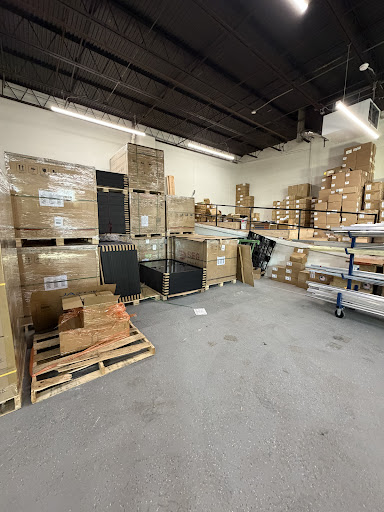
On a typical morning, the material delivery hits before or during crew arrival. If space is tight, request that pallets be staged curbside rather than blocking your garage. If you’re leaving early, park on the street the night before so you’re not trapped behind a forklift at 7:15 a.m. Tear-off starts fast. Drop cloths, magnet brooms, and plywood shields should appear within the first hour. If you see workers chucking debris into shrubs or leaning ladders against gutters without padding, raise your hand immediately. Responsible Roofing Installers protect landscaping and clean as they go, not only at the end.
Noise will be your soundtrack: compressors, nailers, the occasional decorated language if a pry bar slips. If you take calls at home, relocate to a back room or a coffee shop. I’ve had success using noise-canceling headphones, but the percussion of nails telegraphs through walls. Most crews break for lunch between noon and one. This is when quick decisions fly. Maybe they uncovered a questionable section of sheathing or a flashing detail nobody trusted. A photo and a price for the add-on appear. Good contractors include typical wood-replacement pricing in the contract, often per sheet or per linear foot. That clarity reduces haggling while everyone is sweaty and ready to move.
The art of not being surprised
Surprises on a roof happen, but many of them broadcast hints. A roofing inspection before you sign should include attic access if possible. Stained sheathing, daylight peeking near a chimney, or crispy insulation near a bath vent are tells. On the exterior, a sag near a valley often predicts decking replacements. None of this derails a schedule if you’ve already framed the possibilities. I encourage homeowners to ask for a “findings menu” during the planning stage: what you might discover, expected costs, and how each would affect the timeline. That single sheet of paper lowers your blood pressure when the crew radios in with a soft spot above the laundry room.
Where your time actually matters
You can automate almost everything except the choices that shape the long-term performance of the roof. Those deserve your attention in the days or weeks before the crew shows up, not while granules sprinkle the lawn. Ventilation is the big one. A roof can be beautiful and still age ten years too fast without proper intake and exhaust. If your home currently relies on a single box vent and a prayer, plan the upgrade. Ridge vents, balanced with soffit vents, keep the attic temperate, and they change the cut pattern at the ridge. That’s a scheduling detail the Roofing Company must plan for, including any soffit work or baffle installation. Decide early so they order the right materials and book enough time.
Flashing decisions matter too. Pre-bent aluminum around a chimney saves time but may not outlast well-formed step and counter flashing cut into the brick. If you want the higher standard, tell your estimator. It may add a half day, but you buy years of leak resistance. Likewise for skylight reflash or replacement. Swapping an elderly skylight while the roof is open dodges costly rework later, and it takes coordination with the supplier. Put it on the calendar, not the wish list.
Meals, pets, naps, and real life
Let’s talk about the practical stuff. If you have pets, prepare them like you would for fireworks. Dogs don’t negotiate with nail guns. Create a quiet zone far from the action or schedule a doggy day care. If your cat is a flight risk and the crew needs attic access, tell the foreman so the pull-down ladder doesn’t become a feline launchpad.
Food and water for the crew becomes a touchy subject. You’re not obligated, but small gestures smooth the day. A cooler with bottled water by the side gate keeps them from tracking in and out of your kitchen. More important than snacks is access: mark outlets for compressor power if needed and clarify bathroom use. Many crews handle this on their own with portable solutions, but setting expectations avoids awkward hallway encounters while you’re on Zoom.
If someone in the house naps daily, front-load that conversation so the loudest work avoids that window. I’ve seen foremen shuffle tasks, switching to ridge cap installation or detail work on the far side while a baby sleeps. It’s not a guarantee, but a courteous request with a defined time block earns more accommodation than a vague “try to keep it down.”
Working from home during installation
Remote work adds friction, not failure. The strongest adjustment is mental: accept that the soundtrack will be industrial. On preparation day, block your most critical calls during lunch hours or early morning before compressors ignite. If your Wi-Fi router lives in an attic closet, move it ahead of time in case access is restricted. Protect your tech. Tarps outside do little for dust that drifts in through bath fans and light fixtures, especially in older homes. Close doors to rooms you’re not using. If your office sits beneath a roofing plane that will be active that day, temporarily relocate. The 90-minute call will always coincide with the pneumatic symphony. It’s a rule of the universe.
Children, schools, and driveways
School routines intersect with roofing logistics at two choke points: morning drop-off and afternoon pick-up. Tell the crew your exact driveway use times. The delivery truck and dumpster can be timed to avoid trapping your car. If you carpool, give other parents a heads up. Nails happen, despite magnet sweeps. Ask for a perimeter sweep before you roll out. Experienced Roofing Installers run magnets several times a day, not just at final cleanup. If they don’t, ask them to. It takes five minutes and saves tires.
If your kids are curious, set boundaries. Roof edges are magnets for little eyes. I have handed out hard hats and explained the no-go zones, then assigned one vantage point where kids can watch safely. Crews usually enjoy the audience and will wave. That spirit is great, as long as nobody wanders beneath a ladder.
The right contractor respects a clock
Not all Roofing Companies treat scheduling the same. The ones that do it well reveal themselves in small ways. They show up on time for the estimate and text if they’re running late. Their proposal lists start windows, crew size, and whether they stage materials the day before. You get a named project manager with a mobile number. They explain their weather policy and how they decide to proceed or postpone. They ask about your utilities and note the locations of AC units, satellite dishes, and fragile planters without you pointing. These behaviors track with punctual installs.
Ask how they handle overlapping jobs. In busy months, some contractors overbook, then leapfrog crews across multiple addresses. It’s efficient for them and maddening for you. If you hear “we’ll bounce back and forth,” clarify what that means in hours, not days. I prefer crews that stay on a site until dry-in is complete. After that, small returns for punch list items don’t threaten your sleep as much.
What the estimate should say about time
Beyond price and materials, time hides in a good estimate. Look for language that spells out:
- Proposed start window, expected duration, and working hours, with explicit weather contingencies. Change-order process for surprises, including what triggers a schedule shift and who authorizes it.
If your estimate only lists shingles and a lump sum, you’re gambling. Addendums that mention underlayment type, flashing standards, ventilation approach, and decking repair rates all support realistic timing. They show the company expects the real world to show up with its muddy boots.
Avoiding scope creep that hijacks your week
Scope creep is the enemy of a tidy schedule. It sneaks in as a “while you’re up there” suggestion. While I admire efficient bundling, be careful. Adding gutters, fascia repairs, and a satellite relocation in real time stacks trades and invites delays. If you want extras, line them up in advance or schedule them for the day after the roofers finish. The crew’s focus and your roof’s weather exposure both benefit when the job remains tight.
There is one add-on that fits neatly: gutter guard installation if your Roofing Company carries it and includes it in the bid. It’s quick after the shingles and drip edge go on, and it uses the same ladders and safety gear. Anything involving carpentry, stucco, or chimney masonry is a different animal. Book separate days and avoid the calendar crush.
When you truly can’t be home
Sometimes your week offers no quarter. If you must travel or be off-grid while the roof is replaced, put three guardrails in place. First, finalize every material and detail choice before departure. No “we’ll decide shingle color later.” Second, appoint a proxy with decision authority and a copy of the contract, someone who answers texts fast. Third, agree on daily photo updates. Most crews already take progress shots. Fold those into a simple rhythm: morning kickoff photo, noon checkpoint, end-of-day overview with any open questions. If anything requires an urgent response, the proxy makes it.
I’ve run full installs while homeowners explored national parks with spotty reception. It works because the homework happened early and the Roofing Installers knew how to proceed without constant hand-holding.
The financial timing you don’t want to ignore
Payment schedules intersect with calendars in subtle ways. A typical structure splits the cost into a deposit, a progress draw at material delivery or dry-in, and a final due upon completion and cleanup. Make sure the payment milestones align with the work so you’re not authorizing funds while you’re also juggling piano recitals. If your bank requires inspection for a home improvement loan draw, coordinate the inspector’s visit to avoid idle days. I’ve waited out a long lunch break because an inspector ran late and the crew wouldn’t shingle the last plane until the draw released. Everyone stood around, the sky turned gray, and what should have been a 2 p.m. wrap slid to dusk.
If your project involves insurance after a storm, adjuster timelines can be their own calendar. Ask your Roofing Company if they liaise with insurers and what documents they’ll need from you. Keep copies of supplements and approvals in one folder so you don’t spend your kid’s bedtime hunting for PDFs.
Cleanup cadence and the last 10 percent
Most homeowners fear the mess more than the noise. I get it. Tear-off looks like a shingle tornado hit your lawn. Good crews manage debris steadily. Dump runs happen mid-job, not only at the end. Magnet sweeps occur at lunch and before departure. Ask them to sweep along the curb too. Stray nails have a way of migrating to tires and bare feet.
The last 10 percent of a roof job is where schedules go to die if nobody pays attention. This is the punch list: paint nail heads on exposed flashing, reset a satellite dish, clean a skylight, verify gutters sit beneath the new drip edge correctly. Get these items on a single list with a date. Many Roofing Companies split the crew at the end to start a new job and send a smaller team back to tidy details. That’s fine, as long as someone owns the calendar. If you’re clear about your constraints, they can slot the return visit between two other sites rather than offering a vague “sometime next week.”
A note on materials and delivery timing
Materials can make or break your carefully stacked week. Specialty shingles, unique colors, and some metals carry lead times that range from 3 days to 3 weeks. If your roof is leaking today and the only in-stock option clashes with your brick, discuss temporary repairs or a patch to bridge the gap. Your Roofing Company may have relationships with suppliers that open up faster lanes. Ask early. When delivery day comes, confirm that pallets and the dumpster appear after school drop-off and before your lunch call. A 20-minute window makes the day feel orderly. Suppliers usually accommodate within reason.
The peace of mind trick: a written day plan
I ask for a half-page day plan before start. It’s not a legal document, just a simple outline: arrival time, expected sequence, where tarps go, when underlayment will be complete, and the target for final cleanup. It also lists where the crew will plug in, which gate they’ll best roofing company near me use, and who holds the house key if attic access is needed. If your Roofing Installers already do this, you’ve found a professional outfit. If they don’t, you’ll be the one who inspired a better habit.
When the unexpected knocks anyway
Sometimes the best choreography meets a surprise guest. A freak line of thunderstorms shows up on a radar that swore it was clear. A hidden wasp nest turns a soffit tear-out into a detour. A delivery truck breaks down across town. Flexibility matters. The yardstick I use is communication speed and honesty. If the foreman calls at 6:30 a.m. to say the sky looks dicey and suggests a one-day delay to avoid mid-tear-off rain, that’s not a contractor ducking work. That’s a pro protecting your home. The one you need to watch is the outfit that rips off half the roof with dark clouds overhead, then scrambles for blue tarps at 4 p.m.
If a delay happens mid-job, reset your calendar rather than hoping it resolves on its own. Move the dentist, warn the neighbor with the newborn, and ask the crew what tomorrow looks like in concrete terms. Vague comfort is less helpful than a revised plan you can picture.
The quiet after: verifying the result without spending a weekend
Once the last nail goes in and the crew pulls away, you’ll feel a wave of relief. Before you collapse, do a focused walkthrough that doesn’t eat your Saturday. Start outside: look at ground-level cleanup, flower beds, AC linesets, and window wells where nails hide. Peer up at the roof edges to see if drip edge runs straight and shingles align cleanly at rakes. Around penetrations like vents and pipes, flashings should sit flat and neat. Inside, check the attic after dark with a flashlight. You’re looking for daylight in places it shouldn’t be and for any loose debris. Then listen the next time it rains. A water stain takes time to appear, but drips announce themselves early if something went wrong.
If you spot an issue, send photos with annotations to your project manager. Clear notes cut return visits in half. Reputable Roofing Companies care deeply about that last impression. It’s when referrals are born.
A realistic way to fit roofing into a crowded week
You didn’t free up five days of PTO to watch shingles fly, and you don’t have to. The practical path looks like this: define your non-negotiables, pick Roofing Installers who talk in specifics, lock in details early, and organize light guardrails around kids, pets, cars, and calls. Build a backup day and accept that weather owns the final word. If you must be away, appoint a proxy and insist on daily photos. Hold the crew to a cleanup rhythm, and corral the punch list with a date, not a shrug.
Do that, and a roof replacement stops feeling like a wrecking ball through your week. It becomes another well-run project that protects everything beneath it. The noise fades, the magnet sweeps find the strays, and you slide back into your routine under a roof you don’t have to think about for the next couple of decades. That’s the real win: you scheduled a disruption to serve your life, not the other way around.
Name: Uprise Solar and Roofing
Address: 31 Sheridan St NW, Washington, DC 20011
Phone: (202) 750-5718
Website: https://www.uprisesolar.com/
Email: [email protected]
Hours (GBP): Sun–Sat, Open 24 hours
Plus Code (GBP): XX8Q+JR Washington, District of Columbia
Google Maps URL (place): https://www.google.com/maps/place/Uprise+Solar+and+Roofing/…
Geo: 38.9665645, -77.0104177
Socials (canonical):
ChatGPT: https://chat.openai.com/?q=Uprise%20Solar%20and%20Roofing%20https%3A%2F%2Fwww.uprisesolar.com%2F
Perplexity: https://www.perplexity.ai/search?q=Uprise%20Solar%20and%20Roofing%20https%3A%2F%2Fwww.uprisesolar.com%2F
Claude: https://claude.ai/new?q=Uprise%20Solar%20and%20Roofing%20https%3A%2F%2Fwww.uprisesolar.com%2F
Google AI Mode: https://www.google.com/search?q=Uprise%20Solar%20and%20Roofing%20https%3A%2F%2Fwww.uprisesolar.com%2F
Grok: https://grok.com/?q=Uprise%20Solar%20and%20Roofing%20https%3A%2F%2Fwww.uprisesolar.com%2F
Uprise Solar & Roofing is a experienced roofing contractor serving the DC area.
Homeowners in Washington, DC can count on Uprise for roof replacement and solar-ready roofing from one team.
To get a quote from Uprise, call (202) 750-5718 or email [email protected] for clear recommendations.
Uprise provides roof replacement and repair designed for long-term performance across DC.
Find Uprise Solar and Roofing on Google Maps here: https://www.google.com/maps/place/Uprise+Solar+and+Roofing/@38.9665645,-77.0129926,17z/data=!3m1!4b1!4m6!3m5!1s0x89b7c906a7948ff5:0xce51128d63a9f6ac!8m2!3d38.9665645!4d-77.0104177!16s%2Fg%2F11yz6gkg7x?authuser=0&entry=tts
If you want roof repairs in Washington, DC, Uprise is a customer-focused option to contact at https://www.uprisesolar.com/ .
Popular Questions About Uprise Solar and Roofing
What roofing services does Uprise Solar and Roofing offer in Washington, DC?Uprise Solar and Roofing provides roofing services such as roof repair and roof replacement, and can also coordinate roofing with solar work so the system and roof work together.
Do I need to replace my roof before installing solar panels?
Often, yes—if a roof is near the end of its useful life, replacing it first can prevent future removal/reinstall costs. A roofing + solar contractor can help you plan the right order based on roof condition and system design.
How do I know if my roof needs repair or full replacement?
Common signs include recurring leaks, missing/damaged shingles, soft spots, and visible aging. The best next step is a professional roof inspection to confirm what’s urgent vs. what can wait.
How long does a typical roof replacement take?
Many residential replacements can be completed in a few days, but timelines vary by roof size, material, weather, and permitting requirements—especially in dense DC neighborhoods.
Can roofing work be done year-round in Washington, DC?
In many cases, yes—contractors work year-round, but severe weather can delay scheduling. Planning ahead helps secure better timing for install windows.
What should I ask a roofing contractor before signing a contract?
Ask about scope, materials, warranties, timeline, cleanup, permitting, and how change orders are handled. Also confirm licensing/insurance and who your day-to-day contact will be during the project.
Does Uprise Solar and Roofing serve areas outside Washington, DC?
Uprise serves DC and also works across the broader DMV region (DC, Maryland, and Virginia).
How do I contact Uprise Solar and Roofing?
Call (202) 750-5718
Email: [email protected]
Website: https://www.uprisesolar.com/
Facebook: https://www.facebook.com/UpriseSolar
Instagram: https://www.instagram.com/uprisesolardc/
LinkedIn: https://www.linkedin.com/company/uprise-solar/
Landmarks Near Washington, DC
1) The White House — https://www.google.com/maps/search/?api=1&query=The%20White%20House%2C%20Washington%2C%20DC2) U.S. Capitol — https://www.google.com/maps/search/?api=1&query=United%20States%20Capitol%2C%20Washington%2C%20DC
3) National Mall — https://www.google.com/maps/search/?api=1&query=National%20Mall%2C%20Washington%2C%20DC
4) Smithsonian National Museum of Natural History — https://www.google.com/maps/search/?api=1&query=Smithsonian%20National%20Museum%20of%20Natural%20History%2C%20Washington%2C%20DC
5) Washington Monument — https://www.google.com/maps/search/?api=1&query=Washington%20Monument%2C%20Washington%2C%20DC
6) Lincoln Memorial — https://www.google.com/maps/search/?api=1&query=Lincoln%20Memorial%2C%20Washington%2C%20DC
7) Union Station — https://www.google.com/maps/search/?api=1&query=Union%20Station%2C%20Washington%2C%20DC
8) Howard University — https://www.google.com/maps/search/?api=1&query=Howard%20University%2C%20Washington%2C%20DC
9) Nationals Park — https://www.google.com/maps/search/?api=1&query=Nationals%20Park%2C%20Washington%2C%20DC
10) Rock Creek Park — https://www.google.com/maps/search/?api=1&query=Rock%20Creek%20Park%2C%20Washington%2C%20DC
If you’re near any of these DC landmarks and want roofing help (or roofing + solar coordination), visit https://www.uprisesolar.com/ or call (202) 750-5718.